A Contemporary Typology: Housing Inspired by Victorian Proportions
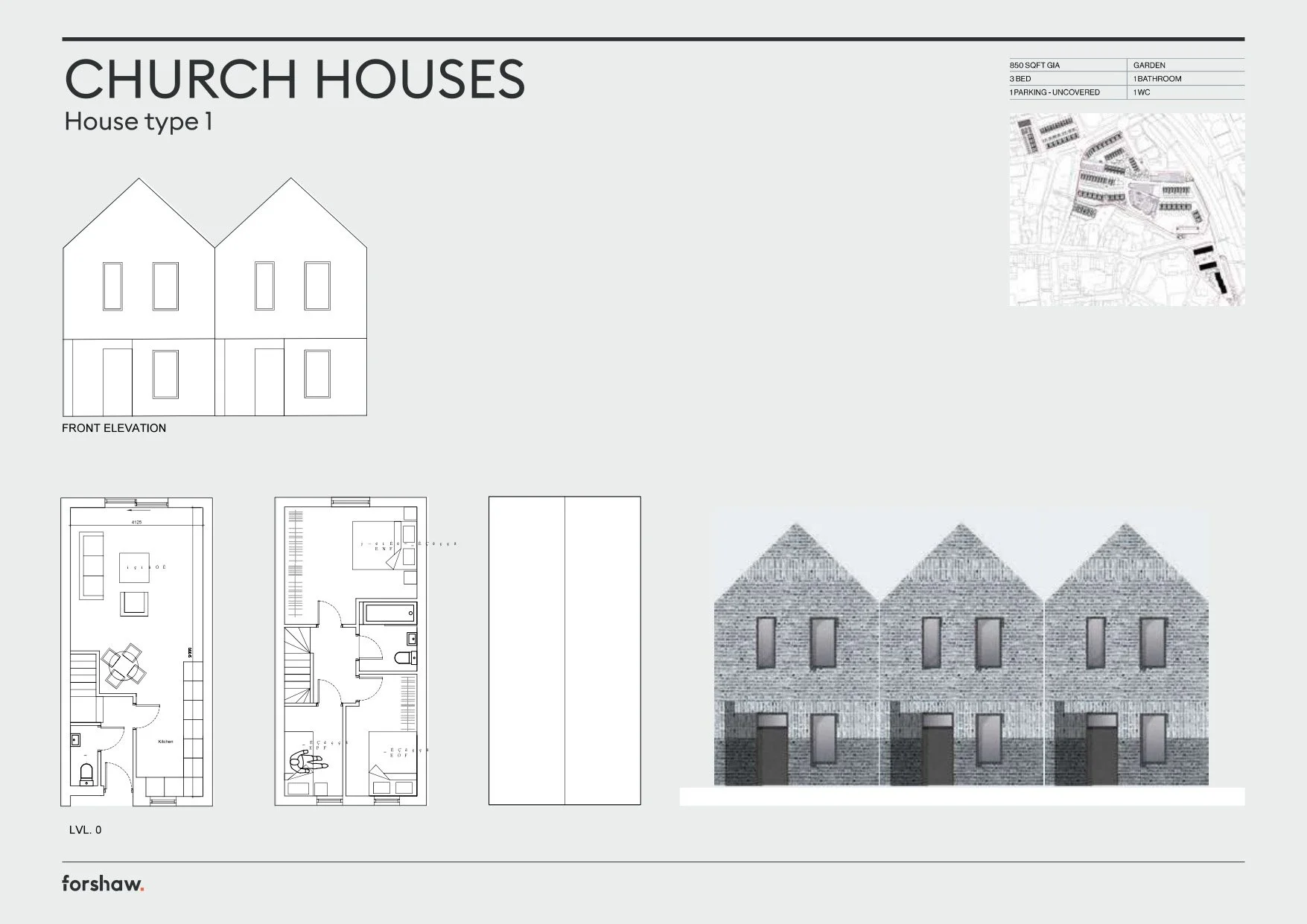
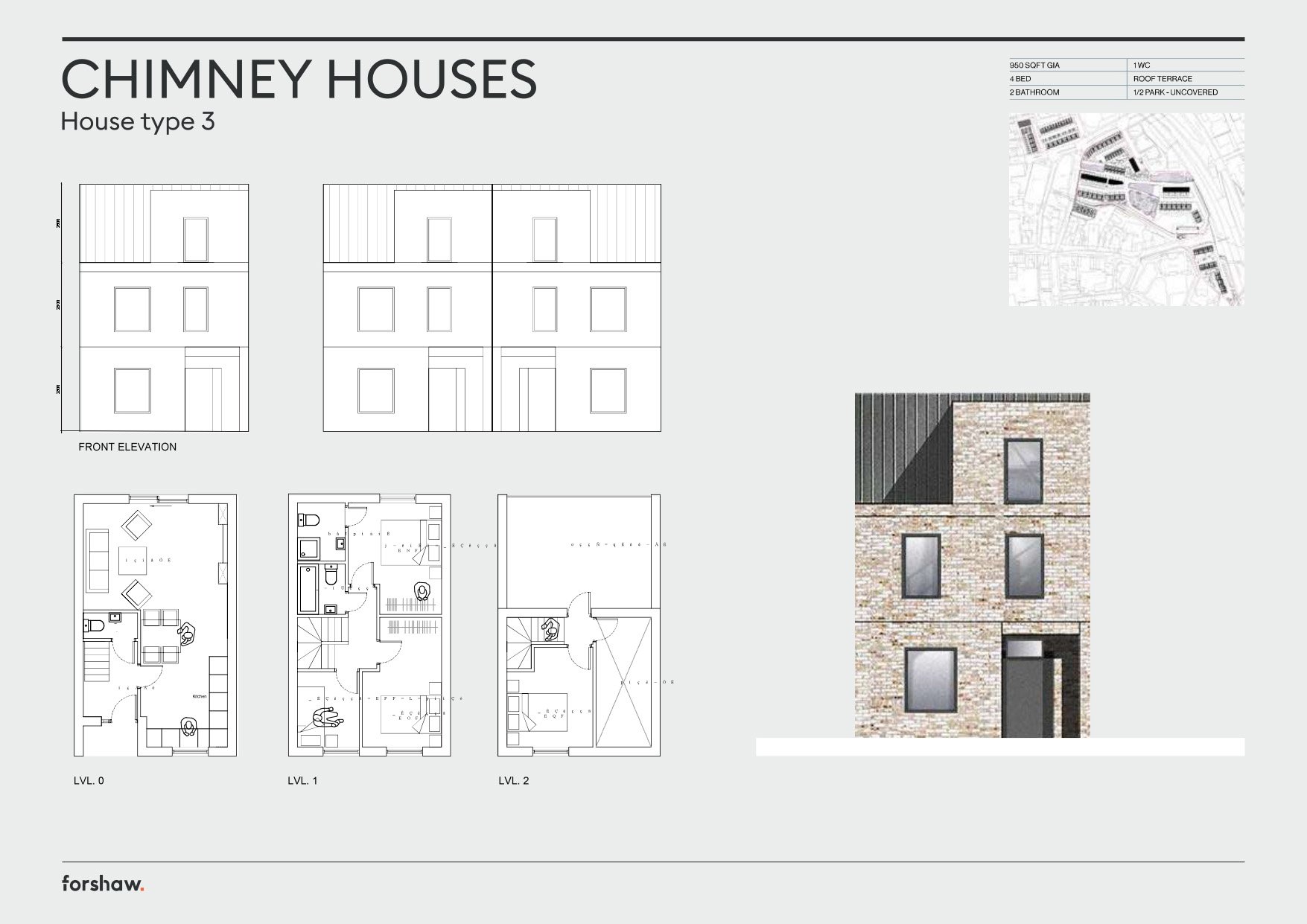
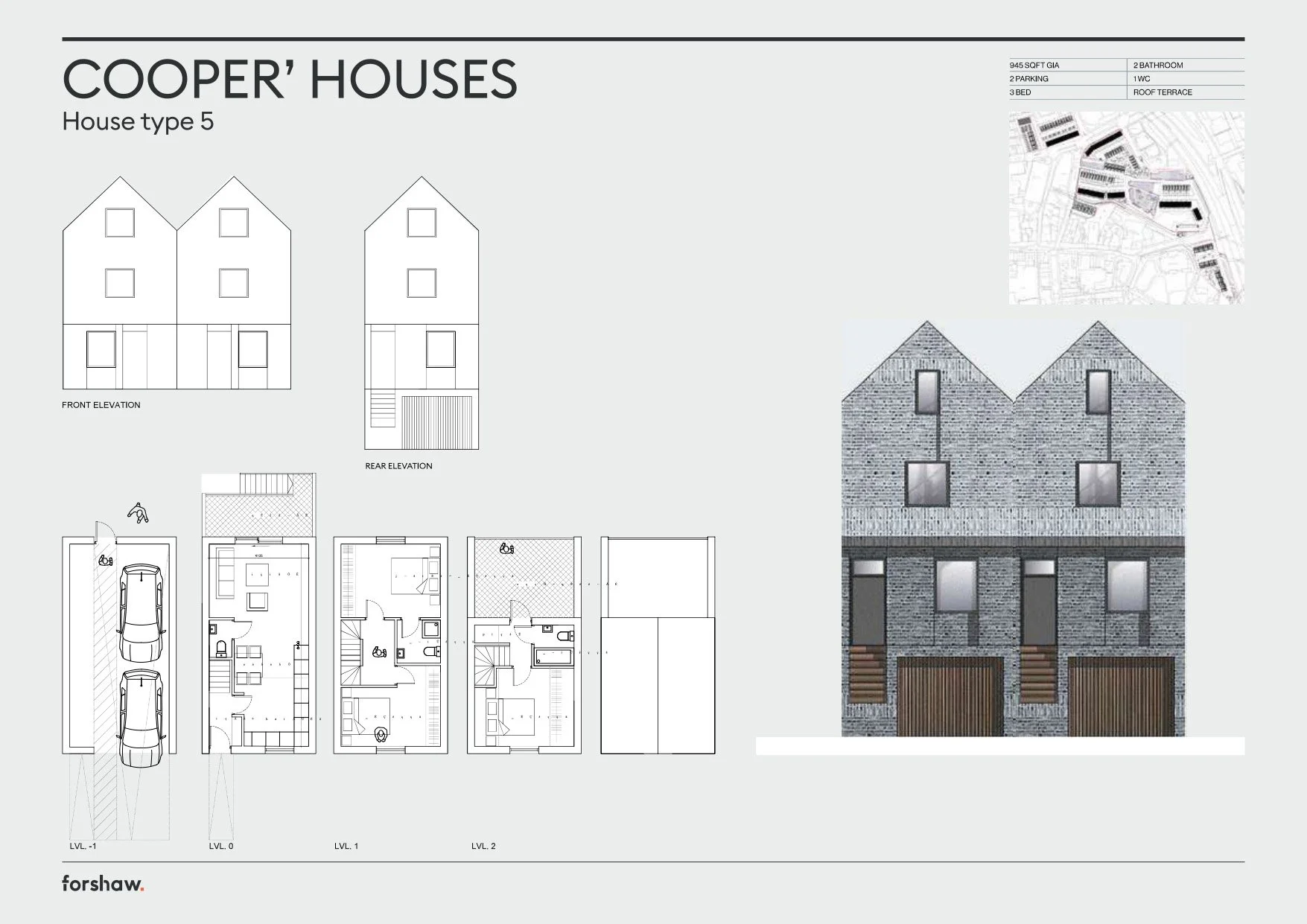
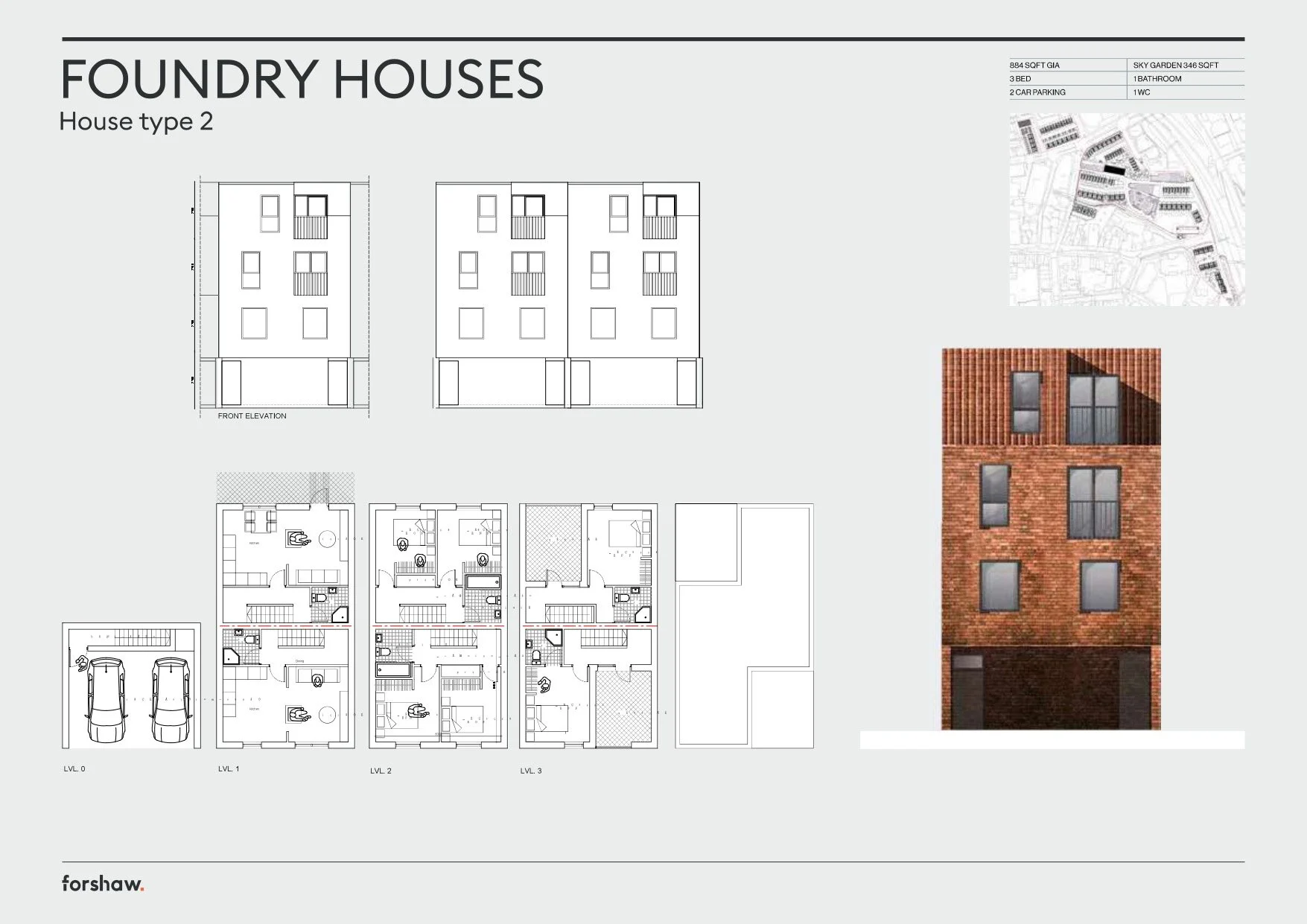
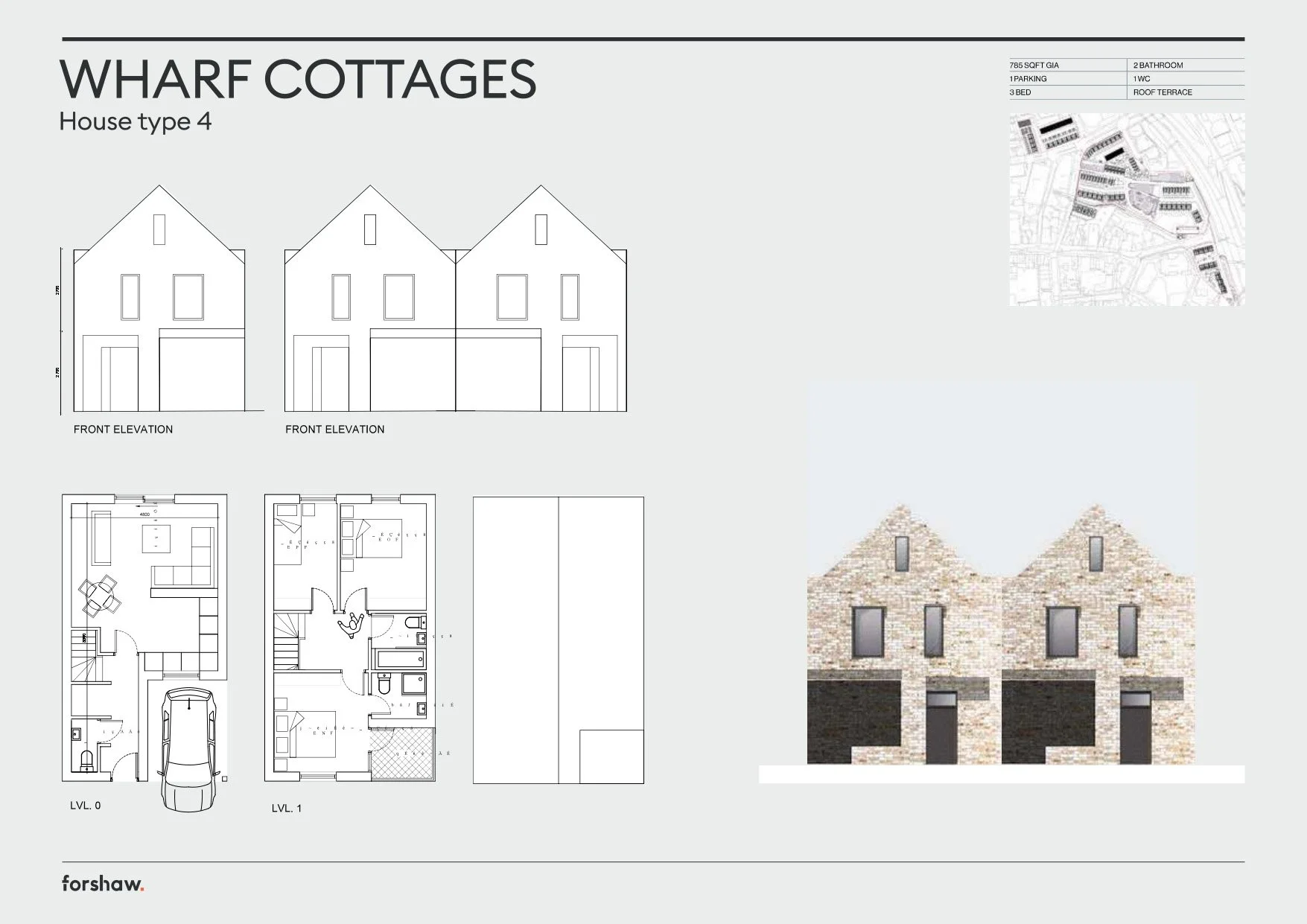
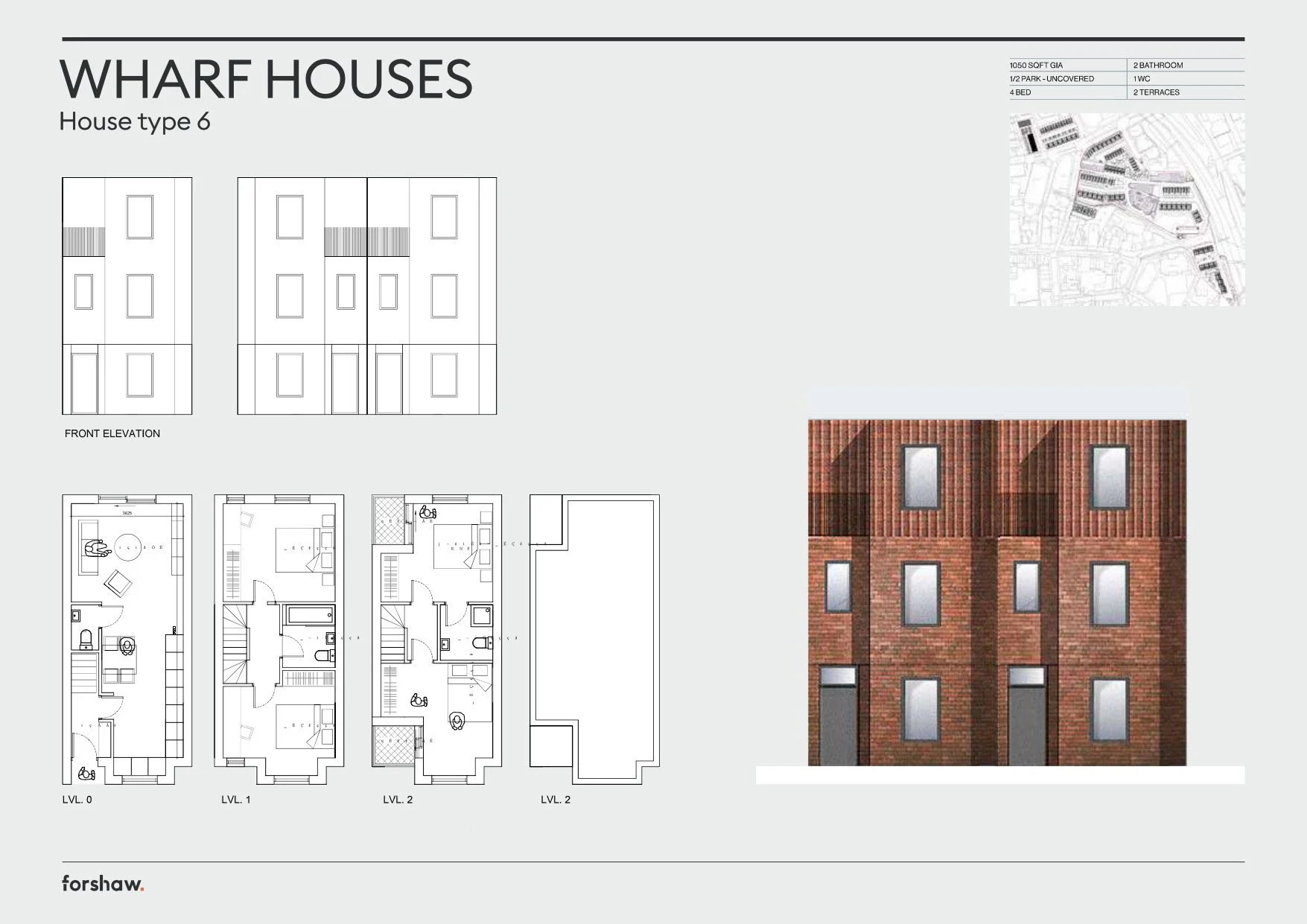
As part of a recent masterplan in Greater Manchester, JH.A developed a series of six house typologies designed to create a cohesive neighbourhood while responding to the architectural character of the region.
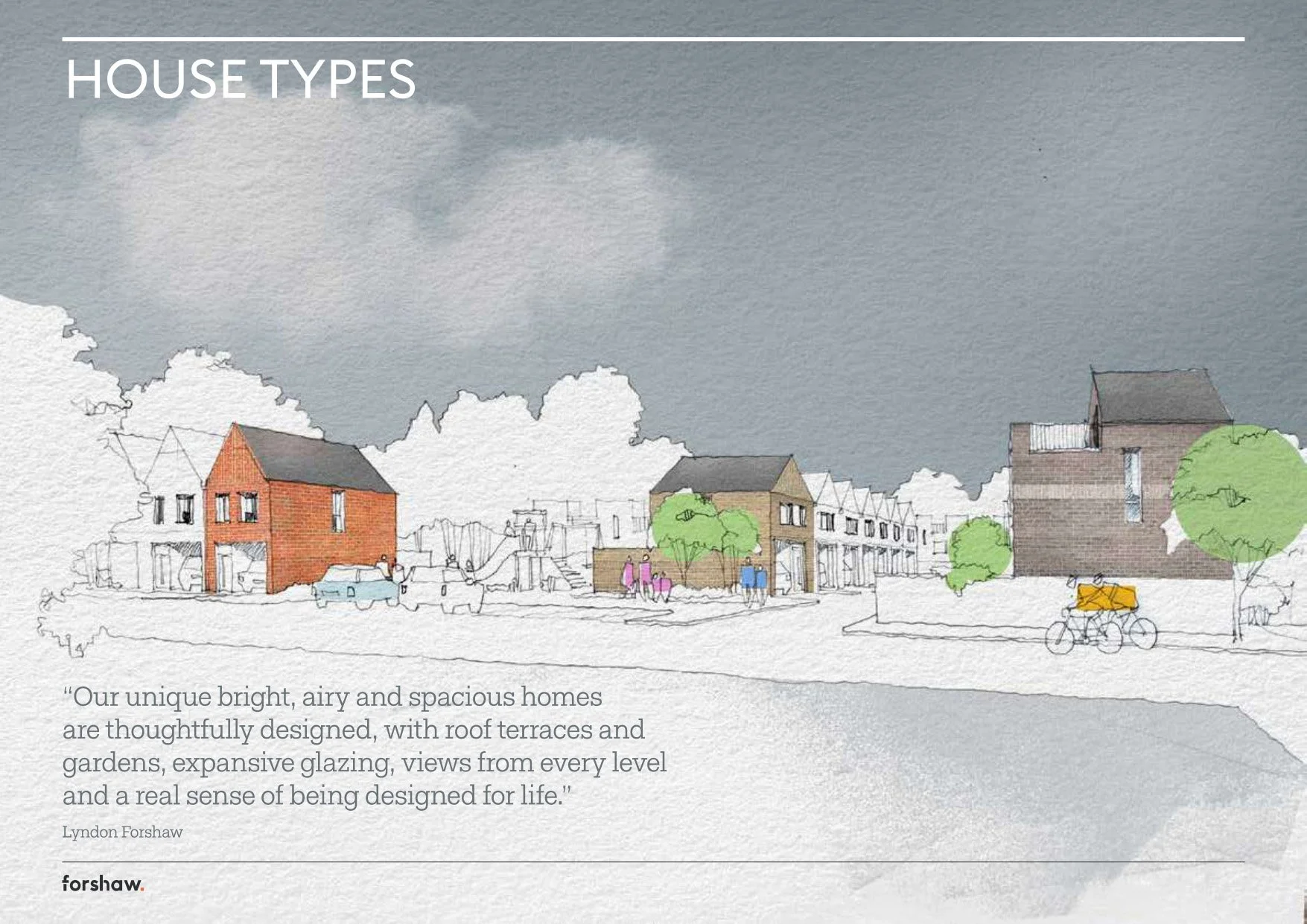
Rather than replicating historic forms directly, the approach focused on learning from the proportions, rhythms and spatial qualities found in Victorian housing and translating them into a contemporary residential framework.
Victorian housing across Greater Manchester is often defined by clear proportions, strong street presence and a consistent relationship between building, pavement and public realm. Terraces, semi-detached houses and corner plots work together to form legible streets and walkable neighbourhoods. These qualities informed the foundation of our design thinking.
The six house typologies were developed to provide variety within a clear architectural language. Each type responds to different positions within the masterplan, from prominent corner plots and key streets to quieter residential edges. While the external expressions vary, they all share a consistent approach to scale, vertical proportion and materiality, drawing inspiration from the rhythm of Victorian terraces and the hierarchy of traditional streets.
A key focus of the design was the relationship between the house and the street. Entrances are clearly expressed, windows maintain strong vertical proportions, and frontages contribute to an active and overlooked public realm. This approach helps reinforce a sense of place and encourages a cohesive neighbourhood identity.
Internally, the houses are designed to meet contemporary living standards while maintaining efficient footprints. Flexible layouts allow spaces to adapt over time, supporting modern patterns of living while retaining the clarity and practicality that characterised many historic housing types.
The six typologies together form a toolkit for the wider masterplan, allowing variation without losing coherence. Subtle changes in scale, roof form and frontage create visual diversity across the development while maintaining a shared architectural language.
For JH.A, the project demonstrates how studying historic housing models can inform contemporary design. By understanding the spatial logic and proportions of Victorian typologies, it is possible to create new housing that feels familiar, legible and rooted in its context while meeting the needs of modern communities.