A JH.A Visit to Copenhagen
Copenhagen feels like a city in constant conversation between past and future. Its streets, buildings and public spaces reflect a careful balance between historic character and contemporary design thinking. During our visit, we explored how architecture, urbanism and interior design work together to create places that feel authentic, human, and alive with activity.
What stood out most was how the city prioritises people. Public space is not simply leftover space between buildings, it is carefully designed and continually used. Streets encourage walking and cycling, waterfronts are opened up for recreation, and squares become natural gathering points for residents and visitors alike. Architecture often acts as the backdrop to daily life rather than the main spectacle, supporting the rhythm of the city instead of competing with it.
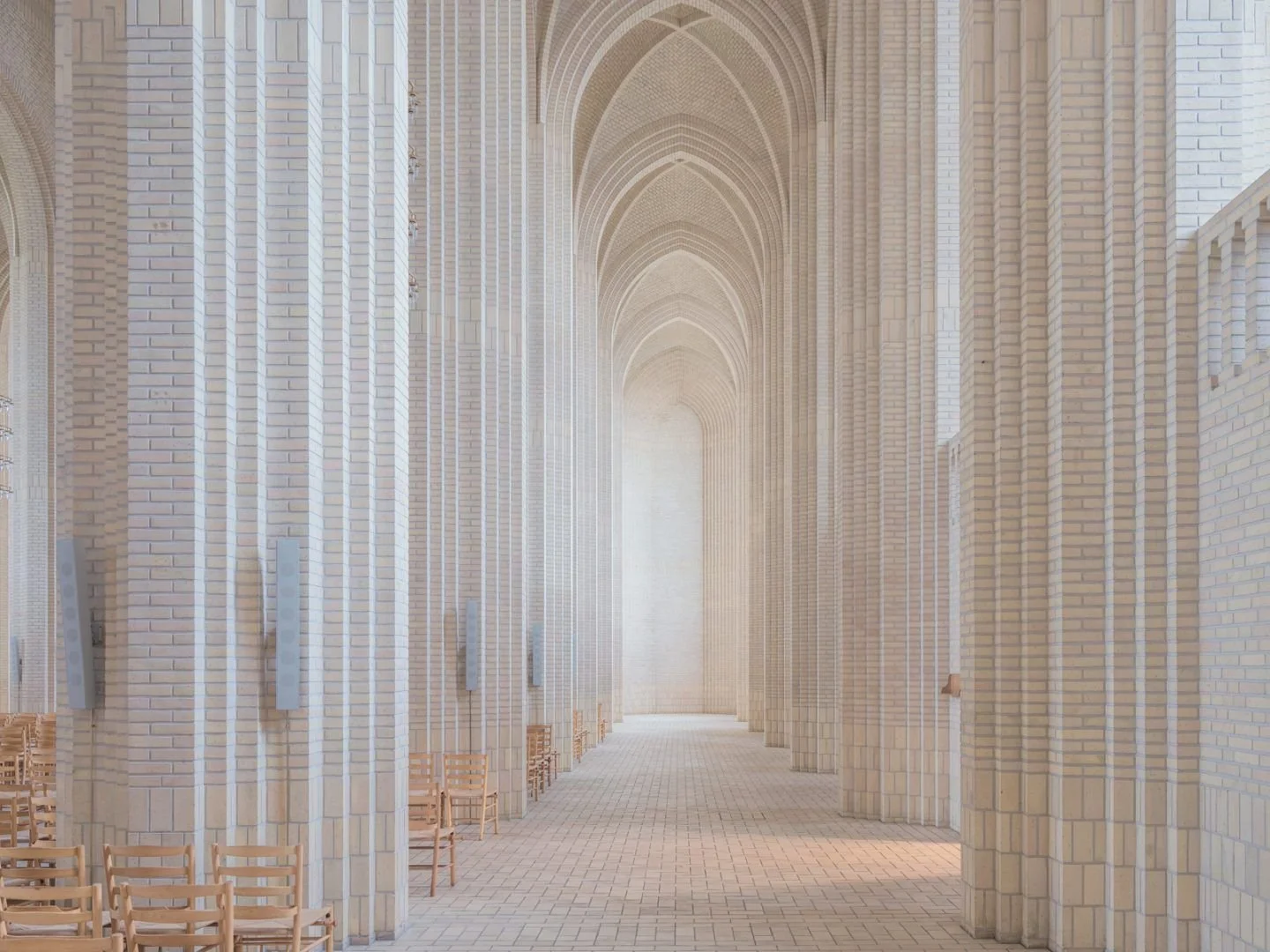
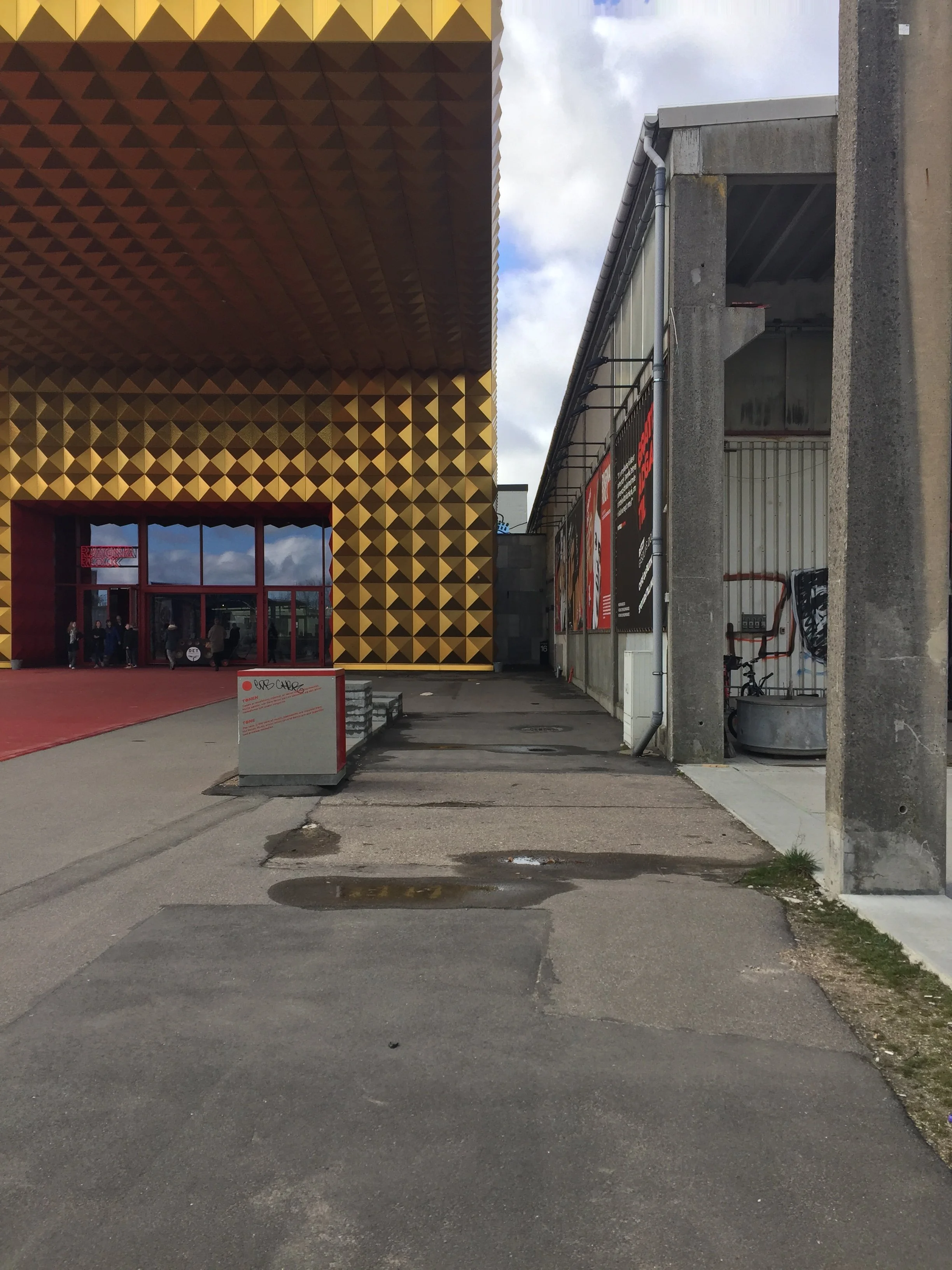
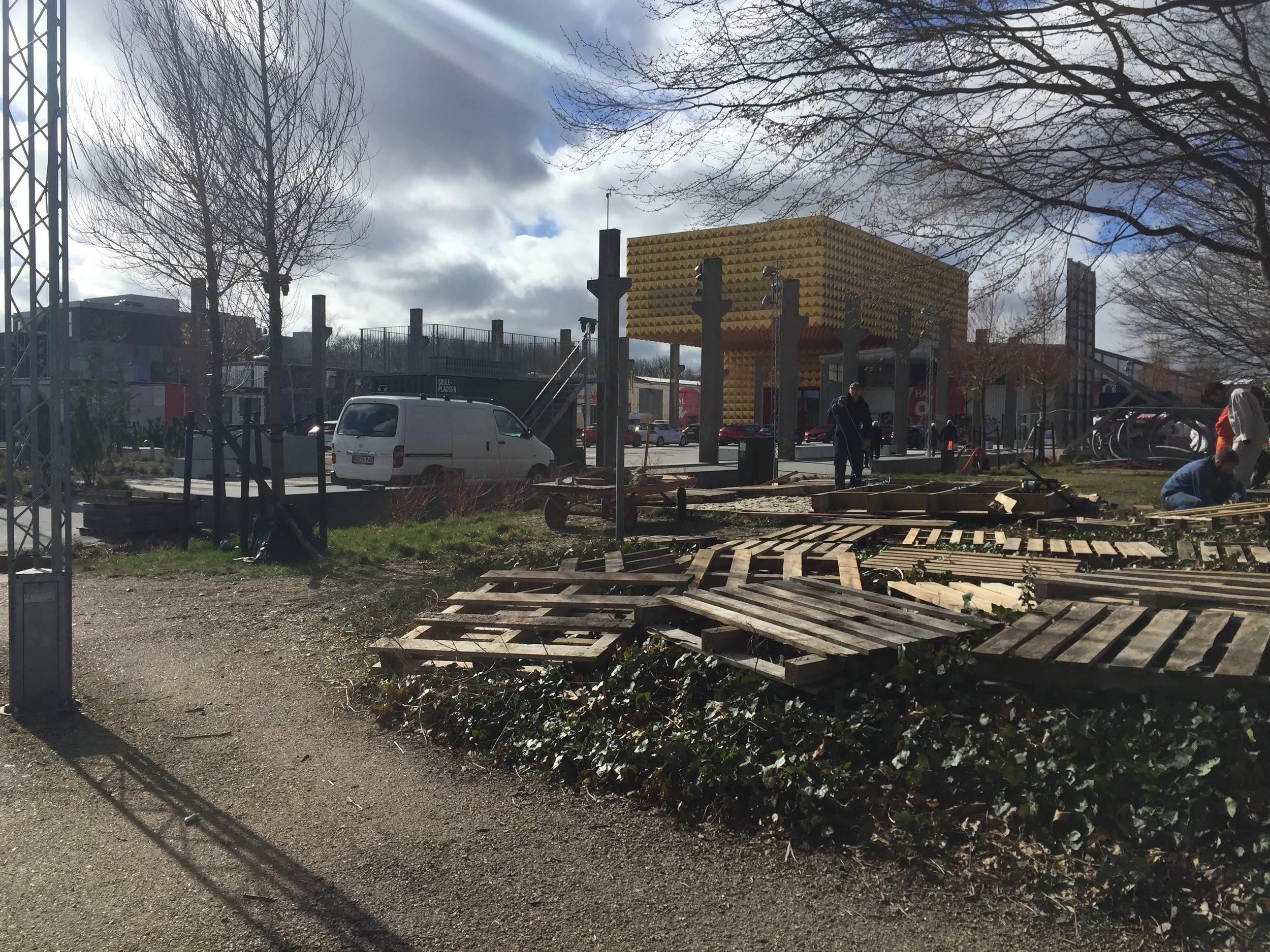
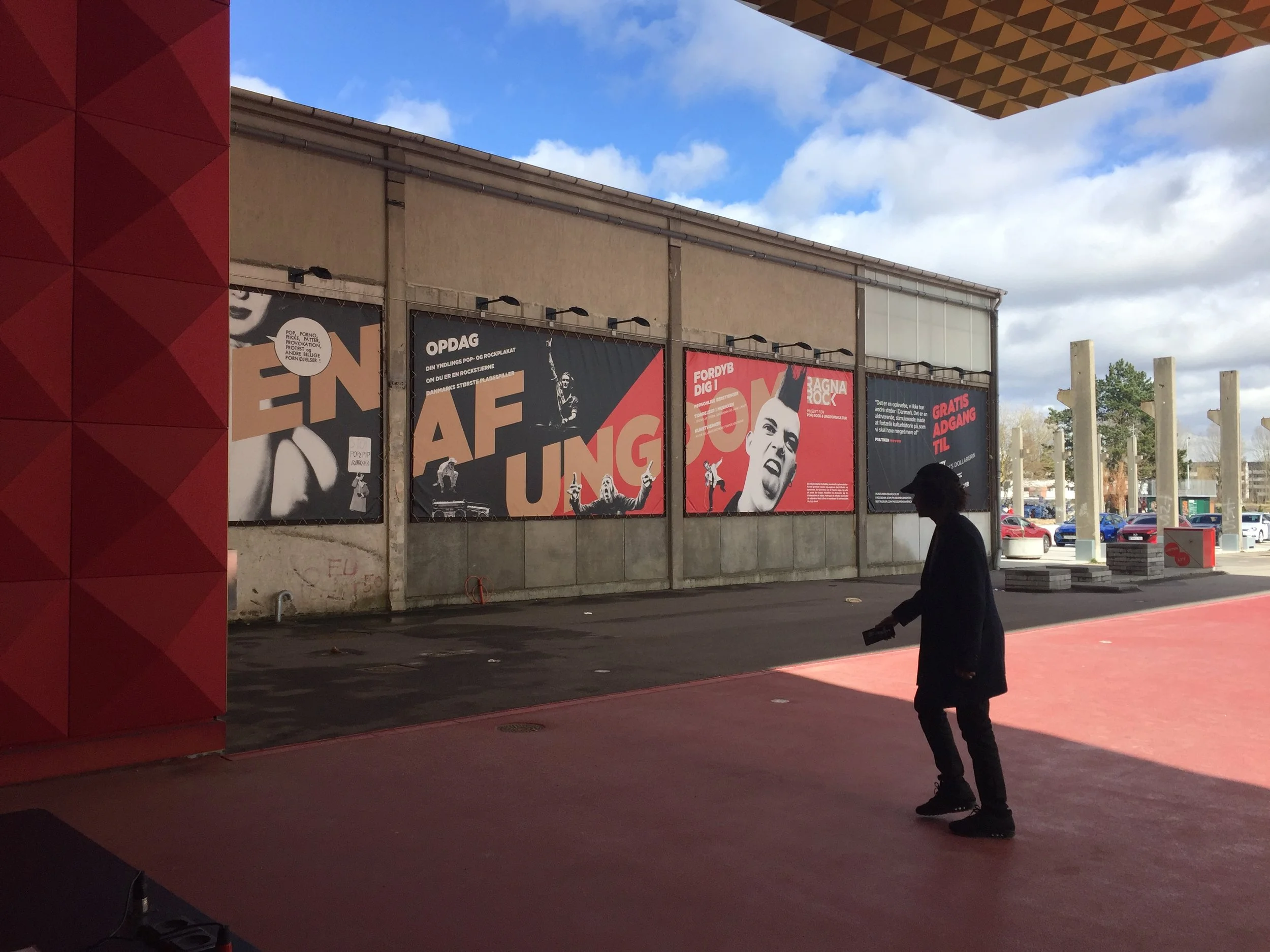
Many of the buildings we visited demonstrated a thoughtful approach to reuse and adaptation. Older industrial and commercial structures have been transformed into cultural venues, workplaces, and social spaces, preserving the character of the city while giving it new purpose. This layering of history and contemporary use creates environments that feel both grounded and forward-looking.
Interior design plays an equally important role in shaping Copenhagen’s identity. Spaces are often understated yet highly considered, with natural materials, warm lighting, and simple forms creating environments that are calm, welcoming and functional. Whether in cafés, cultural venues or workspaces, interiors reflect a broader Danish design philosophy that values clarity, craft and comfort.
Throughout the visit, we were reminded that successful cities are rarely defined by singular architectural objects. Instead, Copenhagen’s strength lies in the relationships between buildings, streets, interiors and public life. The result is a city that feels cohesive and generous, where design quietly supports everyday experience.
For us at JH.A, the trip was an opportunity to reflect on how thoughtful design can shape not just individual buildings, but the character and life of a city as a whole.